


 (832) 844-5116

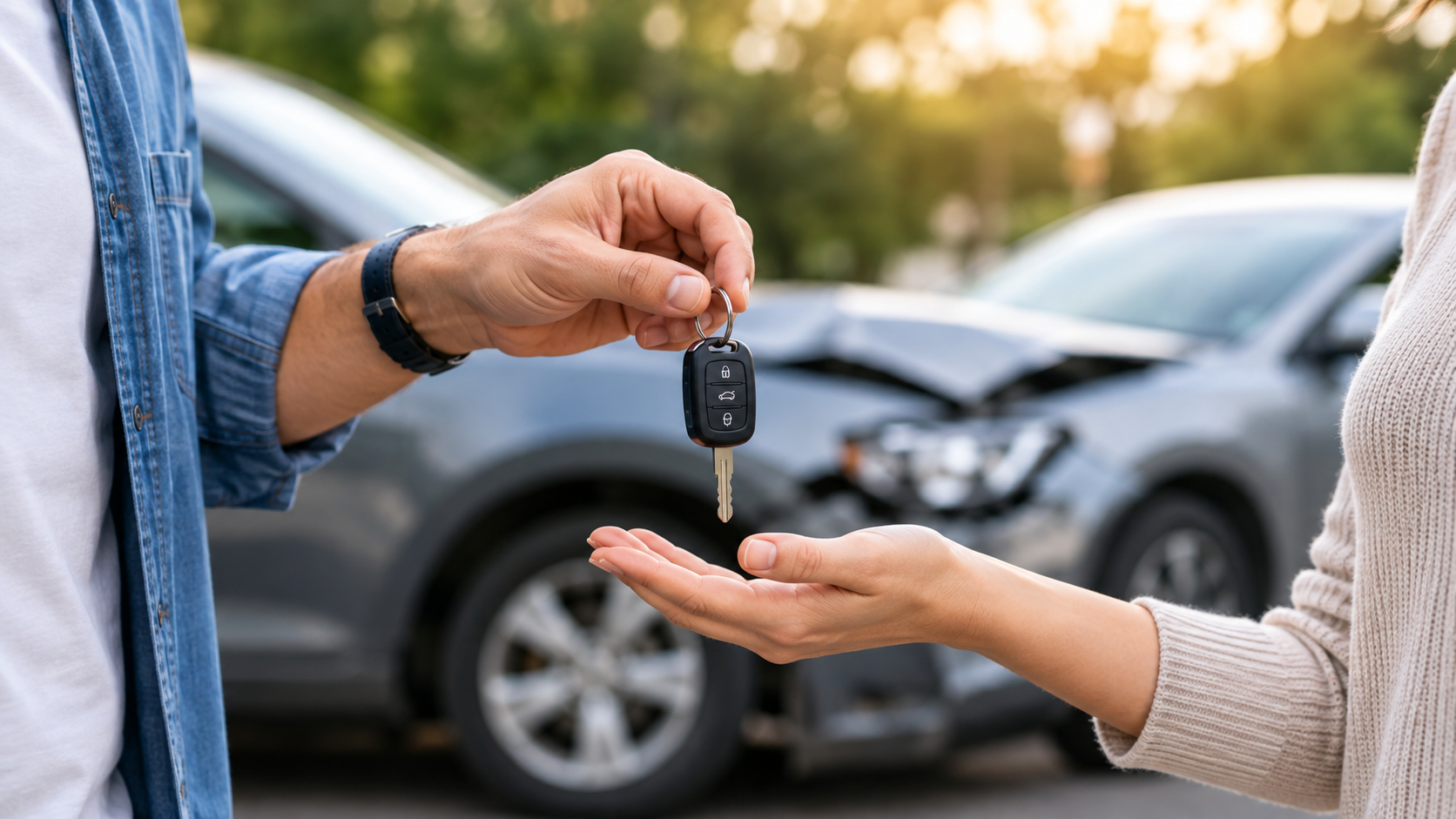
What Is Negligent Entrustment in Texas, and Can a Vehicle Owner Be Liable for an Accident?
If you were injured in a car accident caused by someone driving another person’s vehicle, you may wonder whether you can hold the vehicle’s owner responsible for your injuries.
Under Texas law, a legal claim known as negligent entrustment may allow an injured person to hold a vehicle owner or another person with the necessary legal right of control responsible for allowing an unlicensed, incompetent, or reckless driver to operate a vehicle.
For example, if someone knowingly allows a dangerous or unqualified driver to borrow their car and that driver causes an accident, the person who provided the vehicle may also be held liable under certain circumstances.
Although Texas negligent entrustment law developed primarily in the context of motor vehicles, courts have also considered its application to other types of property.
What Is Negligent Entrustment Under Texas Law?
Negligent entrustment is a legal theory that can hold a person responsible for providing a vehicle to someone the person knew or reasonably should have known was unlicensed, incompetent, or reckless. Unlike a typical car accident claim, which focuses on the negligent actions of the driver, a negligent entrustment claim also examines the conduct of the person who allowed the driver to use the vehicle.
For example, if a vehicle owner knowingly lends a car to someone with a history of reckless driving, and that person negligently causes a collision, the owner may potentially face liability for negligent entrustment.
However, simply owning a vehicle involved in an accident does not automatically make the owner liable for the driver’s negligence.
What Are the Elements of Negligent Entrustment in Texas?
To establish a claim for negligent entrustment of a motor vehicle in Texas, a plaintiff generally must prove the following elements:
- The defendant owned or had the necessary legal right to control the motor vehicle and entrusted it to the driver.
- The driver was unlicensed, incompetent, or reckless.
- The defendant knew or should have known that the driver was unlicensed, incompetent, or reckless.
- The driver was negligent in operating the vehicle on the occasion in question.
- The driver’s negligence proximately caused the plaintiff’s injuries.
Each of these elements matters when determining whether a vehicle owner can be held responsible for an accident caused by another driver.
Can You Sue the Owner of a Car if Someone Else Was Driving?
Potentially. Under Texas law, a vehicle owner may be held liable for negligent entrustment if the owner allowed an unlicensed, incompetent, or reckless driver to operate the vehicle and the other required elements are established. However, ownership alone is not sufficient.
For example, if a person lends a car to a properly licensed driver with no known history suggesting the driver is incompetent or reckless, the owner is not automatically liable simply because the borrower later causes an accident.
The important question is whether the owner knew or reasonably should have known that the person entrusted with the vehicle was an unsafe or unqualified driver.
Can Someone Who Does Not Own the Vehicle Be Liable for Negligent Entrustment?
In certain circumstances, yes.
Some Texas courts have recognized that a person who does not technically own a vehicle may still be liable for negligent entrustment if that person has a superior legal right to control the vehicle. This requires more than merely having some ability to influence or exercise control over the vehicle. A legal right to control a vehicle may arise through the owner’s consent or a contractual relationship.
For example, simply lending someone money to purchase a vehicle does not ordinarily give the lender the legal right to control that vehicle. However, different considerations may arise if the borrower defaults and the lender acquires a contractual right to repossess it.
Whether a nonowner had sufficient legal control to support a negligent entrustment claim depends on the circumstances.
How Do You Prove Who Owned the Vehicle?
Determining who legally owned or controlled the vehicle involved in a Texas car accident may be important when investigating negligent entrustment. A vehicle’s certificate of title can serve as evidence of ownership, although it is not necessarily conclusive.
Under Texas law, a certificate of title generally creates a rebuttable presumption that the person named on the title owns the vehicle. Other evidence may establish that someone else was the actual owner or had the necessary legal right of control.
Depending on the circumstances and applicable evidentiary rules, insurance documents and other records may also become relevant to establishing ownership.
Are Parents Liable if Their Child Causes a Car Accident in Texas?
Parents are not automatically liable for a car accident simply because their child was driving a vehicle they own. Likewise, the fact that a parent gave a child permission to drive does not, by itself, establish negligent entrustment.
However, a parent may be liable under a negligent entrustment theory if the parent allowed a child who was unlicensed, incompetent, or reckless to operate the vehicle, knew or should have known about that condition, and the child’s negligent driving proximately caused the accident.
For example, evidence that a parent knew about a child’s repeated dangerous driving behavior may become relevant when determining whether the parent acted negligently in allowing the child to use the vehicle.
Whether a parent can be held liable depends on the specific facts and whether the required elements of negligent entrustment are established.
Can a Vehicle Owner Be Liable for Letting an Unlicensed Driver Use Their Car?
Allowing an unlicensed driver to operate a vehicle may support a negligent entrustment claim under Texas law, but it does not automatically establish liability in every case. The investigation may involve determining whether the driver was legally qualified to operate the vehicle, what the owner knew or should have known, and whether the driver’s negligence caused the collision.
An unlicensed driver’s involvement in an accident may raise important questions, but the plaintiff must still establish the applicable elements of negligent entrustment.
Can a Trucking Company Be Liable for Negligent Entrustment After an 18-Wheeler Accident?
Negligent entrustment may also be an important issue in commercial truck accidents and 18-wheeler collisions.
For example, a trucking company or another entity with the necessary legal right of control may potentially face a negligent entrustment claim if it allowed an unlicensed, incompetent, or reckless driver to operate a commercial vehicle despite knowing or having reason to know the driver was unqualified or unsafe.
Depending on the circumstances, evidence relevant to a commercial vehicle negligent entrustment claim may include:
- the truck driver’s licensing and qualifications;
- the driver’s prior accident and traffic violation history;
- records concerning reckless or unsafe driving;
- the trucking company’s knowledge of prior safety problems;
- driver qualification and employment records; and
- evidence concerning who had the legal right to control and authorize use of the vehicle.
In some truck accident cases, negligent entrustment may be one of several potential theories of liability involving the driver, trucking company, or other responsible parties.
What Evidence Can Help Prove Negligent Entrustment After a Car Accident?
A Texas negligent entrustment claim often requires evidence beyond the police crash report. Depending on the circumstances, important evidence may include:
- vehicle ownership and title records;
- the driver’s license status;
- prior traffic violations or accidents;
- evidence of reckless or dangerous driving;
- communications showing permission to use the vehicle;
- evidence of what the vehicle owner knew about the driver;
- employment and driver qualification records, if a commercial vehicle was involved; and
- witness statements and other evidence concerning how the accident occurred.
Establishing that the owner knew or should have known the driver was unlicensed, incompetent, or reckless can be especially important.
What Damages Can You Recover in a Texas Negligent Entrustment Claim?
If you were injured in a car or truck accident and can establish negligent entrustment, you may be able to recover compensation for damages resulting from the collision.
Depending on the circumstances, recoverable damages may include:
- medical expenses;
- lost wages;
- loss of earning capacity;
- physical pain and suffering;
- mental anguish;
- physical impairment;
- disfigurement; and
- property damage.
The compensation available depends on the injuries, evidence, applicable Texas law, and the parties legally responsible for the accident.
What Should You Do if an Unsafe Driver Caused Your Accident in Someone Else’s Vehicle?
If you were injured by an unlicensed, reckless, or incompetent driver operating someone else’s vehicle, you should not assume that the driver is the only person who may be responsible.
An investigation may reveal that the vehicle owner knew about the driver’s unsafe driving history or that another person or company had the legal right to control the vehicle.
Identifying all potentially responsible parties can be particularly important when an accident causes serious injuries, substantial medical expenses, or long-term loss of income.
Talk to a Texas Car or Truck Accident Attorney About Negligent Entrustment
If you were injured in a car accident, 18-wheeler accident, or commercial vehicle accident in Houston or anywhere in Texas involving an unlicensed, reckless, or incompetent driver, Mostyn Law can help determine whether the vehicle owner or another party may also be legally responsible.
Our Texas car and truck accident attorneys can investigate vehicle ownership, driver qualifications, prior driving history, and the circumstances surrounding the decision to allow the driver to operate the vehicle.
Contact Mostyn Law today for a free consultation about your Texas car or truck accident claim.