


 (832) 844-5116

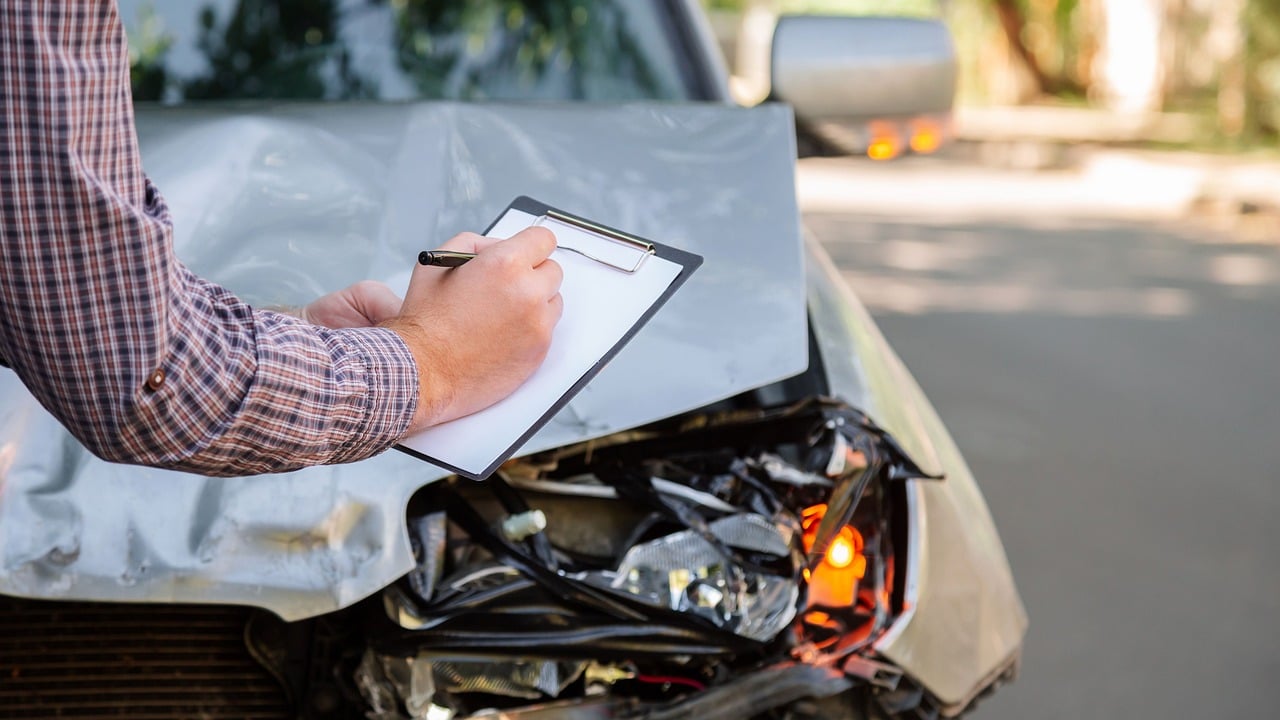
The Other Driver Got a Ticket After a Texas Car Accident – Are They at Fault?
The other driver got a ticket after your car accident, and the police report may even say that driver caused the wreck. So does that mean the other driver’s insurance company automatically has to accept fault and pay for your injuries and damages?
Unfortunately, no.
Even if the driver who hit you was given a traffic ticket after the wreck or the police crash report puts the other driver at fault, the driver’s insurance company may still dispute liability or refuse to pay some or all of your damages.
A traffic citation and police report can be important evidence when determining who was at fault for a car accident in Texas, but they do not necessarily determine the outcome of an insurance claim or personal injury lawsuit.
Does a Traffic Ticket Automatically Prove the Other Driver Was at Fault for the Car Accident?
No. The other driver’s traffic ticket or a Texas crash report finding the other driver at fault does not automatically establish legal liability for the wreck.
A violation of a statute or ordinance regulating the operation of motor vehicles may be relevant to establishing negligence. In certain circumstances, a violation may also constitute what is known as negligence per se.
However, not every violation of a Texas traffic law automatically means that a court will find the other driver negligent or legally responsible for the accident.
This is one reason an insurance company may dispute fault even when its insured received a ticket after the accident.
Can an Insurance Company Deny Your Claim Even if Its Driver Got a Ticket?
Yes. An insurance company can conduct its own investigation into a car accident claim and may reach a different conclusion about fault than the police officer who investigated the scene.
For example, the insurance company may argue that:
- its insured did not actually cause the collision;
- another driver contributed to the accident;
- you were partially responsible for the wreck;
- the traffic violation did not cause the collision; or
- there is insufficient evidence to establish how the accident happened.
This can be particularly frustrating when the police report says the other driver was at fault or the other driver received a citation.
The police officer’s conclusions can be important, but additional evidence such as photographs, videos, witness statements, vehicle damage, dash-camera footage, electronic vehicle data, and other evidence from the accident scene may also be important in establishing who caused the wreck.
What Is Negligence Per Se in a Texas Car Accident Case?
Negligence per se is one way of establishing that a defendant breached a legal duty, which is a necessary element of a negligence claim.
In simple terms, negligence per se may apply when a driver violates a law that establishes a particular standard of conduct intended to protect others from the type of harm that occurred.
For example, if a driver’s violation of a Texas traffic law caused a collision and the law was intended to protect people like the person who was injured, the violation may be relevant to establishing the driver’s negligence.
Negligence per se is different from ordinary negligence, where the focus is generally on whether the driver failed to exercise the level of care that a reasonably prudent person would have exercised under similar circumstances.
What Does a Plaintiff Have to Prove to Establish Negligence Per Se?
To establish negligence per se after a Texas car accident, a plaintiff generally must establish the requirements for applying the doctrine to the particular statutory violation.
Those considerations include whether:
- the defendant driver violated a statute or ordinance establishing an applicable standard of conduct;
- the violation was a proximate cause of the plaintiff’s damages; and
- the statute was designed to protect the class of people to which the plaintiff belongs from the type of injury that occurred.
Whether a particular traffic violation constitutes negligence per se depends on the law that was violated and the circumstances surrounding the collision.
What Does a Court Consider When Deciding Whether a Traffic Violation Is Negligence Per Se?
Texas courts have considered several factors when determining whether the violation of a statute should constitute negligence per se, including:
- whether the statute is the sole source of a legal duty or instead provides a standard of conduct for an existing common-law duty;
- whether the statute clearly defines the conduct that is required;
- whether applying negligence per se would impose liability without fault;
- whether imposing liability would result in damages disproportionate to the seriousness of the statutory violation; and
- whether the plaintiff’s injury was a direct or indirect result of the statutory violation.
For these reasons, the fact that another driver received a traffic citation after a car accident does not necessarily resolve the question of liability by itself.
What Traffic Violations Can Help Establish Negligence After a Car Accident?
Depending on the circumstances and applicable law, violations of traffic safety laws may be important evidence when determining who caused a Texas car accident.
Examples of driving conduct that courts have addressed in the context of statutory violations and negligence include:
- driving on the wrong side of the road;
- failing to maintain an appropriate distance behind another vehicle;
- failing to take appropriate safety measures after observing a child or visibly confused or incapacitated person in the roadway;
- improperly stopping or parking on the traveled portion of a highway when it was practical to stop or park off the highway; and
- failing to take legally required precautions involving certain pedestrians with visual impairments.
Other common traffic violations, such as speeding, failing to yield, disregarding a traffic signal, making an unsafe lane change, or following too closely, may also be relevant evidence when investigating who caused a car, truck, or commercial vehicle accident, depending on the circumstances.
What if the Police Report Says the Other Driver Was at Fault?
A police report that places the other driver at fault can be helpful evidence, but an insurance company is not necessarily required to accept the officer’s conclusion when evaluating your claim.
The insurer may review the physical evidence, statements from the drivers and witnesses, photographs, videos, vehicle damage, and other information before making its own liability determination.
The same is true if the police officer gave the other driver a ticket at the accident scene. The citation may support your version of what happened, but it does not necessarily guarantee that the insurance company will accept responsibility or offer fair compensation for your injuries.
What Should You Do if the Other Driver Got a Ticket but Their Insurance Company Is Denying Your Claim?
If the other driver received a ticket after your car accident but their insurance company is still denying fault or refusing to pay your claim, you should not assume that the insurance company’s decision is the final word.
Preserving evidence from the accident can be critical. Photographs and videos from the scene, witness information, dash-camera footage, nearby surveillance video, vehicle damage, the crash report, and other evidence may help establish how the collision occurred.
This can be especially important after a commercial vehicle or truck accident, where additional evidence may exist regarding the commercial driver and vehicle.
An attorney can investigate the collision and evaluate the available evidence rather than relying solely on either the police officer’s or the insurance company’s determination of fault.
Talk to a Texas Car Accident Attorney About a Disputed Liability Claim
If you were injured in a car accident, truck accident, or commercial vehicle accident in Houston or anywhere in Texas and the other driver received a ticket but the insurance company is denying liability, blaming you for the accident, or refusing to pay your claim, Mostyn Law may be able help.
Our Texas car accident attorneys can investigate how the collision happened, obtain and preserve evidence, evaluate the police report and traffic citation, and challenge an insurance company’s attempt to improperly place responsibility on you.
Contact Mostyn Law today for a free consultation about your Texas car accident claim.