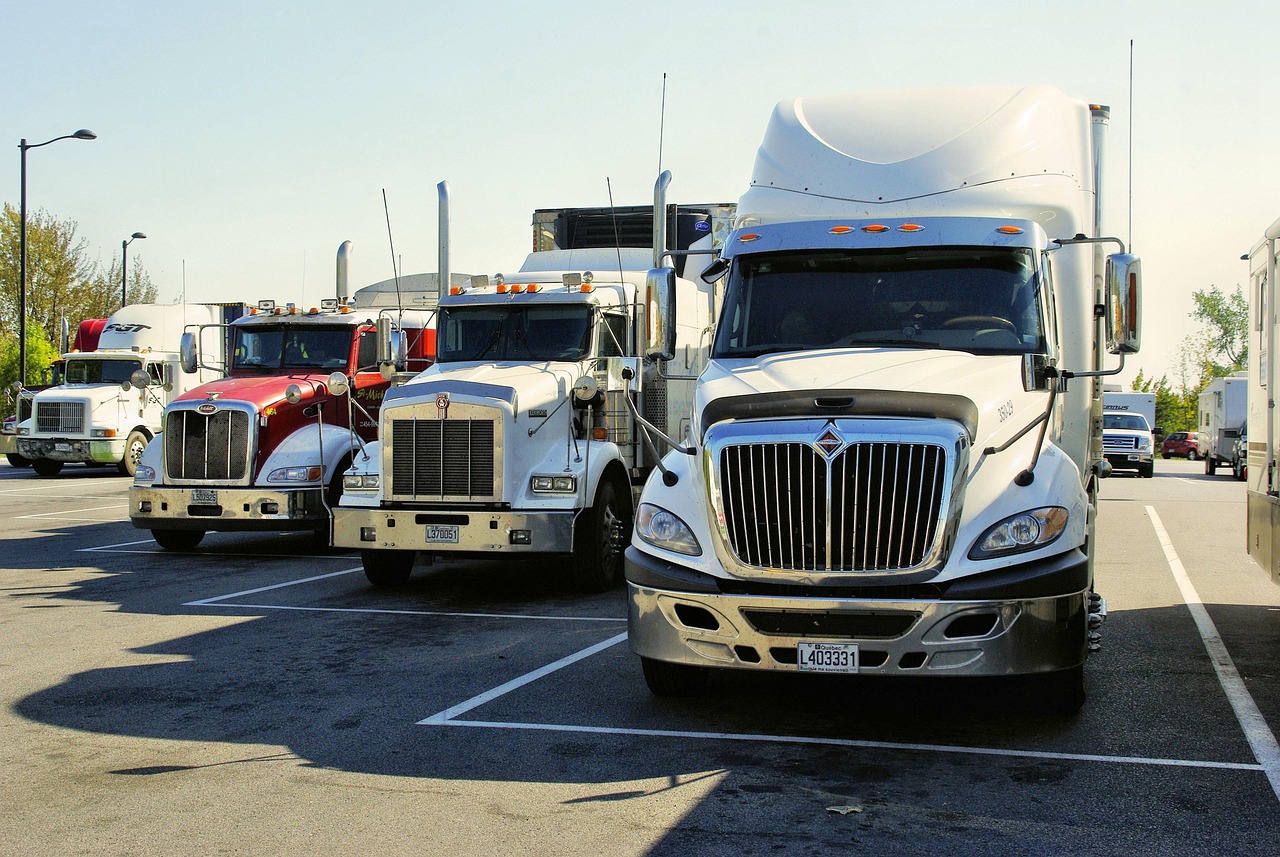
The Federal Motor Carrier Safety Administration (FMCSA) is the federal agency responsible for regulating and overseeing many aspects of commercial trucking and commercial motor vehicle safety in the United States.
Part of the U.S. Department of Transportation, the FMCSA establishes and enforces safety regulations intended to reduce crashes, injuries, and fatalities involving large trucks, 18-wheelers, buses, and other commercial motor vehicles.
FMCSA regulations address many aspects of commercial driving and trucking operations, including truck driver qualifications, hours of service, driver fatigue, drug and alcohol testing, vehicle inspection and maintenance, cargo securement, and minimum insurance requirements.
These federal trucking regulations can also become important after a truck or commercial vehicle accident. Evidence that a truck driver or motor carrier violated an applicable FMCSA safety regulation may be relevant when investigating how an accident happened and who may be responsible.
Why Are FMCSA Regulations Important?
Commercial trucks and their drivers play an essential role in the U.S. economy. They move goods throughout the country, deliver food and other essential products, transport passengers, and perform countless other services.
But 18-wheelers and other large commercial vehicles can also cause devastating injuries when they are involved in accidents with passenger vehicles.
FMCSA regulations establish minimum safety requirements applicable to many commercial motor carriers, drivers, and vehicles. The agency also works with federal, state, and local enforcement agencies and collects and analyzes safety information intended to reduce commercial motor vehicle crashes, injuries, and fatalities.
Who Has to Follow FMCSA Regulations?
Whether a particular driver, trucking company, or commercial vehicle is subject to a specific FMCSA regulation depends on factors such as the type and weight of the vehicle, whether the operation involves interstate commerce, the number of passengers transported, and whether hazardous materials are being transported.
FMCSA regulations can apply to trucking companies, motor carriers, commercial truck drivers, certain bus and passenger carriers, and other businesses operating covered commercial motor vehicles.
Different requirements may apply depending on the particular commercial operation. This makes identifying which federal trucking regulations applied at the time of an accident an important part of investigating some commercial vehicle crashes.
What Are Some Important FMCSA Regulations for Truck Drivers and Trucking Companies?
FMCSA regulations are primarily contained in Title 49 of the Code of Federal Regulations, including Parts 300 through 399. These rules address many aspects of commercial motor vehicle safety.
Some of the FMCSA regulations that may become important when investigating a truck or commercial vehicle accident include:
Truck Driver Hiring and Pre-Employment Checks
Motor carriers have responsibilities when hiring drivers to operate commercial motor vehicles.
Depending on the applicable regulations, the hiring and qualification process may require reviewing information concerning a prospective driver’s driving record, employment and safety history, qualifications, and drug and alcohol testing history.
Employers of drivers subject to the FMCSA Drug and Alcohol Clearinghouse requirements must also conduct required queries to determine whether a prospective driver is prohibited from performing safety-sensitive functions.
These requirements can become important after an accident if there are questions about whether a trucking company hired or allowed an unsafe or unqualified driver to operate a commercial vehicle.
Driver Qualification Files
Motor carriers are generally required to maintain a driver qualification file, or DQ file, for covered drivers.
Depending on the circumstances, a driver’s qualification records may contain information concerning the driver’s employment application, driving record, road test or equivalent documentation, medical qualification, and other required records.
After a serious 18-wheeler or commercial truck accident, a driver’s qualification records may provide important information about whether the driver was properly qualified to operate the vehicle.
Hours of Service and Truck Driver Fatigue
FMCSA’s Hours of Service (HOS) regulations limit how long covered commercial drivers may drive and remain on duty and establish required off-duty or rest periods.
The purpose of these rules is to help reduce accidents associated with truck driver fatigue and drowsy driving.
Commercial drivers subject to electronic logging requirements may use an electronic logging device (ELD) to record driving time and other hours-of-service information.
After a truck accident, these records may help determine how long the truck driver had been driving, whether required rest periods were taken, and whether driver fatigue may have contributed to the crash.
Drug and Alcohol Testing
Federal regulations establish drug and alcohol testing requirements for certain commercial drivers, including requirements addressing when testing must occur and what happens after certain violations.
The FMCSA Drug and Alcohol Clearinghouse contains information about drug and alcohol program violations involving CDL and CLP holders who are subject to the program.
Employers subject to these requirements must check the Clearinghouse as required and cannot allow a driver who is in a prohibited status to perform safety-sensitive functions, including operating a commercial motor vehicle.
Commercial Vehicle Inspection, Repair, and Maintenance
FMCSA regulations also establish requirements concerning the inspection, repair, and maintenance of commercial motor vehicles.
Motor carriers have responsibilities to keep covered commercial vehicles in safe operating condition and maintain required inspection and maintenance records.
After an 18-wheeler accident, maintenance and inspection records may become important if there is evidence that problems with the brakes, tires, lights, steering, coupling equipment, or other vehicle components contributed to the collision.
Minimum Insurance and Financial Responsibility Requirements
Federal regulations establish minimum financial responsibility requirements for certain motor carriers.
The required amount can depend on the type of motor carrier operation, vehicle, passengers, and cargo involved. Certain operations involving hazardous materials or passenger transportation may be subject to different financial responsibility requirements.
Determining the available insurance coverage can be an important part of investigating a serious commercial truck accident claim.
Cargo Securement Requirements
FMCSA regulations also contain detailed cargo securement requirements intended to prevent cargo from shifting, falling, leaking, or otherwise creating hazards on the roadway.
Depending on the type of cargo being transported, federal rules may govern the number and type of tiedowns, securement devices, and other methods used to keep the load safely in place.
These regulations can be particularly important in accidents involving lost cargo, shifting loads, overturned trucks, improperly loaded trailers, or cargo falling from an 18-wheeler.
What Happens if a Truck Driver or Trucking Company Violates FMCSA Regulations?
Violations of applicable FMCSA regulations can result in enforcement actions and other consequences for commercial drivers and motor carriers.
Depending on the nature and severity of the violation, consequences may include civil penalties, a driver or vehicle being placed out of service, restrictions on commercial driving privileges, or other enforcement action.
More importantly for someone injured in a commercial truck accident, evidence of an FMCSA violation may provide important information about why the collision happened.
For example, an investigation may reveal that:
- the truck driver exceeded applicable hours-of-service limits;
- the driver was not properly qualified;
- required drug or alcohol requirements were not followed;
- the trucking company failed to properly inspect or maintain the vehicle;
- known safety problems were not repaired;
- cargo was improperly secured; or
- other applicable commercial motor vehicle safety regulations were violated.
How Can FMCSA Violations Affect a Truck Accident Claim?
If you were injured in an 18-wheeler, semi-truck, tractor-trailer, or other commercial vehicle accident, evidence that the truck driver or motor carrier violated an applicable FMCSA safety regulation may be relevant to determining what caused the crash and who may be legally responsible.
Depending on the facts and applicable law, evidence concerning FMCSA compliance may help with:
- investigating whether the commercial driver was negligent;
- determining whether a trucking company or motor carrier may share responsibility;
- establishing how and why the accident occurred;
- identifying failures in driver hiring, qualification, supervision, or training;
- determining whether truck driver fatigue contributed to the accident;
- identifying inspection, repair, or maintenance failures; and
- preserving evidence relevant to the injured person’s claims and damages.
A violation of an FMCSA regulation does not automatically establish liability in every truck accident case. The particular regulation, its applicability, the circumstances of the violation, and whether the violation contributed to the collision all matter.
What Evidence Should Be Investigated After a Commercial Truck Accident?
A commercial truck accident investigation can involve substantially more evidence than a typical passenger-vehicle accident.
Depending on the circumstances, potentially important evidence may include:
- electronic logging device (ELD) and hours-of-service records;
- the truck driver’s qualification file;
- driving and employment history;
- medical qualification records;
- Drug and Alcohol Clearinghouse information when applicable;
- post-accident drug and alcohol testing records;
- vehicle inspection, maintenance, and repair records;
- driver vehicle inspection reports;
- cargo and loading records;
- dispatch and trip records;
- electronic control module or other vehicle data;
- dash-camera footage;
- GPS and telematics data; and
- trucking company safety policies and records.
Some of this evidence may be controlled by the trucking company or another commercial entity, which makes promptly identifying and preserving relevant evidence particularly important after a serious truck accident.
Why Should You Speak to a Truck Accident Attorney After a Commercial Vehicle Crash?
Determining whether an FMCSA regulation was violated requires more than simply obtaining the police report.
A truck accident attorney can investigate which federal and state commercial vehicle regulations applied, obtain records from the driver and motor carrier, review hours-of-service and electronic data, investigate the driver’s qualifications and the truck’s maintenance history, and determine whether regulatory violations may have contributed to the collision.
Commercial truck accidents may also involve multiple potentially responsible parties, including the driver, motor carrier, trucking company, vehicle owner, maintenance provider, cargo loader, or other companies involved in the commercial operation.
Talk to a Texas Truck Accident Attorney About Possible FMCSA Violations
If you were injured in an 18-wheeler accident, semi-truck accident, tractor-trailer accident, or other commercial vehicle accident in Houston or anywhere in Texas, Mostyn Law can investigate whether violations of FMCSA regulations or other commercial trucking safety requirements may have contributed to the crash.
Our Texas truck accident attorneys can investigate the truck driver and motor carrier, preserve important electronic and company records, review driver qualification and hours-of-service information, evaluate inspection and maintenance records, and identify potentially responsible parties.
Contact Mostyn Law today for a free consultation about your Texas truck or commercial vehicle accident claim.



 (832) 844-5116